Showing posts with label Greek Cuisine Dallas. Show all posts

Thursday, April 3, 2014

Olive, You Man! (All About Olives)

Recently we read a twitter exchange between some folks theorizing on how black olives become black when they start out green. One participant hypothesized that the olive was bruised. Seriously? Today we give you a bit of a olive education. After all, we can't have you Greek cuisine loving people out hypothesizing silly things with your Twitter friends.

First though, we have to tell you that the word olive refers to both the tree and the fruit of the tree. Much like the word pecan here in Texas. Olive trees are native to the coastal areas of the eastern Mediterranean and are of major agricultural importance in the region as the source of olive oil. Today olive trees are grown in temperate places all over the world, even California. In fact, the United States ranks as the twelfth biggest olive cultivator.

If you read any kind of western literature like Homer's Odyssey, or the bible, you'll find that olives are the most frequently mentioned trees and fruit. And you likely know that the phrase 'extend an olive branch' derives from the historic belief that olive leaves and branches symbolize abundance, glory and peace. In ancient times olive branches were given as offerings to Gods and powerful people. They even found olive branches in Tutankhamen's tomb.

Olives grow very slowly, which we think explains why we have so many colors of olives. You see, whether the olive is green, blonde or black, they are all grown from the same tree. They are just in different stages of ripeness. We suspect someone was a little impatient for a taste of olives and picked the fruit a little early. When that impatient picker discovered the tart and powerful flavor of the green olive they decided there was no need to wait for all the olives to ripen to black. Some could definitely be enjoyed sooner. Here at Zizikis we will be eternally grateful to that impatient olive farmer. We just can't imagine a world in which green olives didn't exist!

Olives should never be eaten directly from the tree due to their natural bitter flavor. Before eating, olives are fermented or cured to make them more palatable. Green olives are allowed to ferment before being packed in a brine solution. Black olives are not fermented, which is why they taste milder than green olives.

Generally, an olive's flavor depends on what type of curing or fermenting they under go. They can also be flavored by soaking in marinade or pitted and stuffed. Popular flavorings include herbs, spices, chili, lemon zest, lemon juice, wine, vinegar, and juniper berries; popular stuffings include feta cheese, blue cheese, pimento, garlic cloves, almonds, and anchovies. You can eat olives a million different ways...and here at Zizikis we do! Come on over the next time you get that salty olive craving. We know how to satisfy it! Opa!

Thursday, February 21, 2013

The Evolution of Greek Cuisine


“One cannot think well, love well, sleep well, if one has not dined well.” – Virginia Woolf
Don’t we know it! Greece has always been world famous for its fabulous cuisine. Being at the crossroads between east and west, Greek cuisine has been infused with the best of both worlds. Preparing and enjoying Greek fare, anywhere in the world, is an adventurous journey into the cradle of civilization and the land of the Gods of Olympus.

Initially, Greek dishes began to take on influences of other cultures as far back as 350 BC when Alexander the Great extended the Greek Empire through Europe to India. In 146 BC, Greece fell to the Romans, resulting in a fusion of Roman and Greek influences. Centuries later Greece fell to the Turks in 1453 and was part of the Ottoman Empire for nearly 400 years. It’s not surprising then that some classic Greek dishes still have Turkish names.

With each successive invasion and settlement came more culinary influence, including Venetian, Balkan, Slav and English, resulting in a cross pollination of culinary influences and adaptations.

Many ingredients used in modern Greek cooking were unknown in Greece until the middle ages. Ingredients like the potato, tomato, spinach, bananas, among others, came to Greece after the discovery of the Americas – their origin.

But always, the main ingredient you will find in just about every Greek dish is olive oil. Olive oil is the energy food that fueled a splendid civilization in ancient times, and the one item that even today, every Greek restaurant or home cannot be without.

Though cultural overlapping may be obvious to chefs working in Mediterranean cuisine, these influences have occurred over thousands of years, making what we now consider to be Greek pretty straight forward. In fact, while Greek cooking has influenced and been influenced by other cultures, of all of those cultures, Greece ranks highest when it comes to the concept of "fusion" cuisine.

Fun Facts:

-The first cookbook was written by the Greek food gourmet, Archestratos, in 330 B.C.!  Obviously cooking has always been of utmost importance in Greek society.
-Modern chefs owe the tradition of their tall, white chef's hat to the Greeks. In the middle ages, monastic brothers who prepared food in Greek Orthodox monasteries wore tall white hats to distinguish them in their work from the regular monks, who wore large black hats.
Greek food is simple and elegant, with flavors subtle to robust, textures smooth to crunchy, fresh and timeless, nutritious and healthy. Discovering, tasting, and experiencing Greek cuisine is truly one of the joys we can all share. 

Saturday, January 19, 2013

Greek Luck In The New Year

In America, and especially in the South, folks scramble to cook up some black eyed peas on New Year's Day - for a bit of luck in the coming year.  Of course - black eyed peas are not a typical part of Greek cuisine. It's a folktale, or superstition - but it's not uncommon and Greece has it's own 'Good luck' traditions for New Year's.

In Greece, the Squill (sea onion) is a common plant - mostly found around the island of Crete. It grows wild and is actually quite disagreeable to some. It's poisonous to animals and can cause a rash if it makes contact with the skin.  It is a unique plant; it will continue to bloom and grow even after it's pulled.

Since the 6th Century BC - The Greeks believe that it's strong survival to grow after being pulled can benefit and be transmitted to people and inanimate objects - so one might find a sea onion hanging in a home or worn around the neck at the New Year.

Visit us at Ziziki's, Ziziki's Taverna, and The Greek -  Dallas Greek Restaurants.  We don't cook with sea onions, by the way. OPA!

Wednesday, November 28, 2012

Tips for Planning Your Holiday Party

About this time every year many a party gets planned. For some, planning a holiday party is pure joy. For others, it can be seen as nothing but a dreaded chore. It doesn't have to be that way! Today we share some of our best tips for planning your holiday party. Opa!

1. Save the right date...

Your friends, family members or coworkers are busy during the holidays. Choosing to have your party earlier in the season will ensure you get a better turn-out. After all, it's not a party without guests!

Be creative with when you have your event. From Sunday brunch to an evening cocktail party with hors D’oeuvres starting at 8:00 pm, the options are only limited by your imagination.

2. Begin with a theme...

Having a theme helps to guide as you make detail decisions. Plus it helps to keep the look and feel of your party on track. When choosing a theme, consider what type of event you would like. Cocktail, buffet, a formal sit down? The most popular themes tend to include anything with a glamorous touch. Think 1950’s holiday-inspired cocktail party, or a glittery Dr. Zhivago snowscape, or even a festive Greek inspired gathering.

3. You'll need a great caterer...

This is high-season for caterers. They may want your business, but if you wait too long to book one you may going it alone. Or worse, getting stuck with a less than reputable version of what you were really wanting. It’s up to you to choose one that will get the job done professionally. With catering from Ziziki's you can rest assured you will have a fabulous party, with delicious Greek cuisine, amazing service and a memorable time too.

No matter who you choose, be sure to check out reviews, customer ratings, photos and detailed menus before committing.

4. Know your guests...

It's in your best interest to take time to know your guests' possible dietary restrictions, food allergies. And always make sure to offer at least one vegetarian dish. Ask your caterer to place a fabulous looking card listing the ingredients next to each dish so your guests know exactly what they’ll be eating. Guests who have to watch others eating without being able to partake themselves, don't make for happy guests.

5. Don't underestimate the power of an RSVP...

Sending invitations is easy. Getting people to respond takes a little special effort. Make responding easy by using an online invite system like Evite. These sites also send reminders to those guests who are taking longer to answer. Having a guest count is especially important when it comes to the food. You definitely want to make sure you have enough (but not too much) to serve everyone.

6. Employ a memorable welcome to set the mood...

Make your guests feel special from the moment they walk in the door with a signature cocktail designed for the season. If it’s cold outside, greet them with a warm-welcome cocktail full of flavor. Apple, orange, clove and cinnamon are holiday favorites.

7. Let a fun attitude lead the way...

A good attitude will always bring good results! Yes, you want things to be perfect, to have a good time with friends, with great food, and fabulous décor. Have fun planning your party and you'll have fun at your party. Opa!

Ready to talk catering? Give us a call!

Monday, November 19, 2012

Recipe Week: Christopsomo

As we enter the Christmas season, we thought we'd share a recipe for Christopsomo, or 'Christ's Bread.' The preparation of Christopsomo is considered a sacred tradition in many Greek Orthodox homes. The care with which it is made is said to ensure the well-being of the home in the year to come and only the purest and most expensive ingredients are used. The bread is often decorated with pieces of dough formed into representations of the family's life (boats, animals, etc.). We hope you take time to bake and enjoy this delicious bread some time during your holiday season. And make sure you come back next week as we'll be sharing some great tips for entertaining this year. Opa!

Prep Time: 4 hours

Cook Time: 45 minutes

Ingredients:
8 cups of all-purpose flour
1 teaspoon of salt
1 1/2 tablespoons of dry yeast
1 cup of warm water (105F, 40C)
1 cup of warm red wine
1/2 cup of olive oil
1/4 cup of orange juice
1/4 cup of brandy
grated peel of 2 oranges
1 cup of sugar
1 1/2 cups of raisins
1 1/2 cups of walnuts, coarsely chopped
1/3 cup of pine nuts
1 tablespoon of grated gum mastic or 1 tablespoon of crushed anise seed
1 teaspoon ground cinnamon
1 teaspoon ground cloves
1/4 teaspoon ground nutmeg

For the Topping
milk
2 whole walnuts in shells
sesame seeds

Preparation:
1. Mix the yeast with 1/2 cup of warm water and 2 tablespoons of flour, stir until dissolved and set aside for 10 minutes, until it bubbles.

2. In a large mixing bowl, sift the salt with 2/3 of the flour. Make a well in the center of the flour and pour in the yeast mixture, the remaining warm water, and the wine. Mix until a soft dough forms, cover with waxed paper and a damp towel, and set aside to rise for 1 1/2 to 2 hours, until doubled in bulk.

3. Punch the dough down and knead for several minutes until any air pockets are gone. Sift in the remaining flour, add the oil, orange juice, brandy, and grated orange peel.

4. In a small bowl, mix the sugar, raisins, walnuts, pine nuts, gum mastic or anise, cinnamon, cloves, and nutmeg until blended, and add to the dough.

5. Knead well until the dough is firm and doesn't stick (about 10 minutes), cover, and allow to rise for 1/2 hour.

6. On a lightly buttered baking pan, shape the bread into two circular loaves, about 8 inches in diameter. Cover with a dry cloth and a damp cloth over that, and place in a warm place to rise again, until doubled in size. If you want to decorate your Christopsomo, pull a fistful of dough from each loaf. Pat the dough back into shape to rise. When risen, use the small pieces of dough to create designs: roll them out into strips and coil around whole walnuts pressed into the top in the shape of a cross (like the photo), or make them into the shapes and place on top of the loaves. Continue with the recipe but in step 7, brush with beaten egg instead of milk to get a brighter glaze.

7. Using a floured knife, score a cross into the top of the loaves, and place one whole, unshelled walnut at the center. Brush the bread with milk and scatter with sesame seeds.

8. Place a pan with at least 1 inch of water in the bottom of the oven and preheat to 450F (230C). Place the bread in the preheated oven for 15 minutes, then remove the pan with the water, reduce heat to 390F (200C) and bake for another 25-30 minutes.

9. Remove from oven, brush lightly with water, and cool on a rack.

Enjoy!

Recipe courtesy of About.com

Tuesday, October 16, 2012

Greek Fall Celebration - Chestnut Festival of Elos

There's no denying that we Greeks love our festivals so it's no surprise that Greece has a few fall festivals of their own. Family, food and fun...almost the motto of our Greek traditions! The most curious celebrates something American's sing about every Christmas season in the phrase 'chestnuts roasting on an open fire.' In Elos, the chestnut takes a more prominent place among their traditions.

The Chestnut Festival of Elos takes place in Kastanitsa, one of the few remaining traditional Greek settlements that still boasts the sights, sounds and aromas of yesteryear. Every autumn the village dons its finest and prepares to welcome hundreds of visitors from near and far.

The village of Elos is surrounded by chestnut trees, providing picturesque scenery and an annual harvest of big, gorgeous chestnuts. To mark the coming of autumn and the chestnut harvest, local villagers devote special attention to the annual Chestnut Festival. This tradition gives the people of Elos a chance to show off its beloved chestnut and attract a crowd over the weekend. Visitors to the Chestnut Festival can enjoy witnessing and participating in some traditional local entertainment, including drinking, eating, music, dancing and of course indulging in the pleasures, both sweet and sour, produced by roasting the chestnuts.

The chestnut, unlike other nuts, is low in fat and calories, but is rich in starch, which makes it a great source of carbohydrates. In fact, in many African and Asian countries, the chestnut is used as a substitute for the potato. It is also an excellent source of fiber, potassium and Vitamin C. What’s more, thanks to its sweet taste, it can satisfy those winter cravings…without the fat and the calories. Definitely something worth singing about!

Wednesday, October 10, 2012

Recipe Week: Greek Style Leg of Lamb

If anyone is an expert at cooking fabulous tasting lamb, the Greeks are. Of course, we reserve serving lamb for the most special of occasions. And we do know how to throw a party! Opa!

Lots of lemon, garlic, rosemary, and oregano infuse this spring roast.

Yield : Makes 8 servings

Ingredients
1 tablespoon grated lemon zest
1 tablespoon dried oregano
1 tablespoon dried rosemary, coarsely crumbled
3 cloves garlic, minced
1/3 cup unbleached all-purpose flour
6 tablespoons fresh lemon juice
Salt and freshly ground black pepper to taste
1 leg of lamb, 5½ to 6 pounds, excess fat trimmed
¾ cup water

Directions

1. Preheat the oven to 425° F.

2. In a small mixing bowl combine the lemon zest, oregano, rosemary, garlic, and flour. Stir in the lemon juice to make a paste, then season with salt and pepper. Make ½-inch, deep slits allover the leg of lamb. Rub the lemon paste all over the leg, making sure it gets into the slits.

3. Put the lamb on a rack in a roasting pan and pour the water into the bottom of the pan. Roast the lamb 30 minutes. Reduce the heat to 325° F and continue roasting until a meat thermometer registers 145° F for medium-rare meat, 1 to 1¼ hours longer.

4. Transfer the lamb to a cutting board and let sit 10 minutes before carving. Skim the fat from the pan juices and spoon over the sliced lamb.

If you try this recipe, be sure to tell us what you thought in the comments!

Thursday, October 4, 2012

The Greek - Pita, Meze, Wine

Back in August we shared some exciting news with you...do you remember what it was? We were working on something special...a new place in One Arts Plaza for you to enjoy fine Greek cuisine.

We're thrilled to tell you our opening date is set for October 15, just a few short days away. In the midst of making our many, many preparations we came to a realization. We found the name Meze was too limiting and confused the public who did not immediately recognize that meze was Greek. Thus, the new name, 'The Greek - Pita, Meze, Wine' is a perfect description.

The Greek - Pita, Meze, Wine is going to be a perfect fit at One Arts Plaza. For those with a refined vision of life experience, One Arts Plaza is the place to be. Casual sophistication, the best of the arts, one dining destination with five delicious options...what's not to love?

Of course, we know The Greek is going to be your favorite. We're delighted to be working with the renowned Jason Kosmas for the cocktail menu. And equally delighted to tell you Richard Silva is on board as our Director of Culinary Operations.

We can't wait to share it with you in person. Mark your calendars...we want to see you there!

Monday, September 17, 2012

Recipe: Greek Spice Cake

Greek Spice Cake Recipe
Photo Courtesy of Taste of Home


Who doesn't love cake? The brown sugar, almond extract, cinnamon and cloves is what really gives this cake it's exotic taste. Serve it warm for a special treat. See, you can have your cake and eat it too! Opa!

Prep: 25 min.
Bake: 50 min. + cooling
Yield: 12 Servings

Ingredients
1 tablespoon shortening
2 tablespoons plus 2-1/2 cups all-purpose flour, divided
1 cup sugar
1 cup packed brown sugar
1 cup canola oil
1 cup buttermilk
3 eggs
1 tablespoon vanilla extract
1-1/2 teaspoons almond extract
1-1/2 teaspoons baking powder
1 teaspoon salt
1 teaspoon ground cinnamon
1/2 teaspoon ground cloves
1/2 teaspoon baking soda
1 cup chopped pecans
1 teaspoon confectioners' sugar

Directions

Grease 10-in. fluted tube/bundt pan with shortening; lightly coat with 2 tablespoons flour. Set aside.

In a large bowl, beat the sugars, oil, buttermilk, eggs and extracts until well blended. Combine the remaining flour, baking powder, salt, cinnamon, cloves and baking soda; gradually beat into the sugar mixture until blended. Stir in pecans. Transfer to prepared pan.

Bake at 325° for 50-60 minutes or until a toothpick inserted near the center comes out clean.

Cool for 10 minutes before removing from pans to wire racks to cool completely. Dust with confectioners' sugar.

If you try this recipe, be sure to tell us what  you thought in the comments!

Wednesday, June 13, 2012

Father's Day Brunch

“Blessed indeed is the man who hears many gentle voices call him father!” -- Lydia M. Child

Treat Your Dad to Ziziki’s Father’s Day Brunch!

A flavorful selection of your favorite Ziziki’s items and Complimentary Glass of Champagne or Mimosa Plus these signature brunch items…

  • Mediterranean Shrimp
  • House Smoked Salmon with Bagels & Herbed Cream Cheese
  • Buttermilk Pancakes with Cinnamon Syrup
  • Greek Scrambled Eggs with Feta Cheese & Basil
  • Roasted Leg of Lamb with Red Wine Sauce
  • Ya Ya Katina’s Baklava

3 seatings: 11am, 12:30 & 2pm $24.95 / person

Voted Dallas’ best Sunday Brunch By Dallas Observer!

Sunday, May 20, 2012

Ziziki's Taverna Nominated For Favorite Mediterranean Restaurant With Addison Magazine

Ziziki's Taverna has once again been nominated Favorite Mediterranean restaurant in the 2012 Readers' Choice Awards!

 Click here to VOTE NOW!

A special thank you goes out to our Addison patrons, who have nominated and voted for us - to victory - last year for this great honor! We' ve been nominated as Favorite Mediterranean restaurnat with Addison Magazine Reader's Choice Awards! Now, we need your votes to seal the deal and launch us into first place. Thank you for making Ziziki's Taverna - Addison's Best Mediterranean Restaurant!

Saturday, March 17, 2012

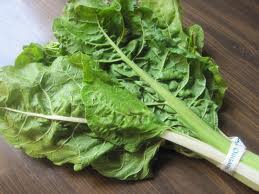
Greens and Greek Cuisine

Greens grow wild all over Greece, and have been a staple in nearly every angle of Greek cuisine for years. One of the most famous dishes that is found in everyday Greek cooking is horta, which are, simply stated - boiled greens. And might recognize the word horta, or hort - as the root for all things 'horticultural' or 'green'. And, there are an array of other greens found in common cookery with varying uses such as herbs, eaten raw, used in casseroles or salads - or boiled for horta.

Greens are used in nearly every dish - including main dishes. From meat, chicken and fish entrees and pork (best with a bit of avgolemono, or lemon juice and egg sauce) to Hortopitakia, which are phyllo pies packed with garden greens and herbs.

And depending on how you like your salads - nearly all the greens used in Greek cuisine can be eaten in any of the dishes used (even though some may surprise you!) - along with the common spinach, lettuce and other bulbs, collards and such - are:
  • Cabbages (white, red, kale, etc.)
  • Catnip (Catmint, Nepeta)
  • Dandelion Greens
  • Fennel
  • Golden Thistle
  • Leeks
  • Mache (Lamb's Lettuce, Wild Lettuce)
  • Mallow
  • Nettles
  • Palmer Amaranth (Albersia, Vlita)
  • Poppy
  • Purslane
  • Sow-thistle
  • Spiny Chicory
  • White Beet Leaves
  • Brassicae greens (kale, collard greens)
  • Sow-thistles
  • Wild Mustard Greens
  • Chard